Guide 3 min read

Vietnam eVisa Entry Ports: How to Verify Airports, Land Borders, and Seaports

Verify Vietnam eVisa airports, land borders, and seaports through official portals before choosing your entry point.

Vietnam eVisa holders may enter and exit only through the air, land, and sea border gates listed by Vietnam Immigration and shown in the official eVisa application system. Do not rely on travel blogs or old screenshots for the final port name: the port selected in your application should match the official dropdown and your real itinerary.

TL;DR: Choose a Vietnam eVisa entry port only from the official dropdown and make it match your real route. Air travelers usually use Noi Bai, Tan Son Nhat, or Da Nang; land travelers should verify the exact Cambodia/Laos/China border gate; cruise and ferry travelers must confirm the seaport name with the operator before applying.

Route type Common practical ports What to verify before applying
Air Noi Bai, Tan Son Nhat, Da Nang, Cam Ranh, Phu Quoc, Cat Bi Official dropdown spelling matches your ticket and airport
Land Moc Bai, Ha Tien, Lao Bao, Cau Treo, Huu Nghi, Lao Cai Bus/train route uses the same border gate shown in the eVisa form
Sea Chan May, Da Nang, HCMC, Nha Trang, Hon Gai, Duong Dong Cruise or ferry operator confirms the exact immigration port name

This guide explains how to verify the current official list and how to use the most common tourist routes. For route selection advice, see our companion guide: Choosing the Right Vietnam Entry Port.


1. Airports: Common eVisa Entry Choices

Most visitors enter Vietnam by air. These airports are the most common choices for international travelers, but you should still confirm the exact airport name in the official eVisa form before submission.

Airport Best For
Noi Bai International Airport (HAN) Hanoi, Ha Long Bay, Ninh Binh, Sapa
Tan Son Nhat International Airport (SGN) Ho Chi Minh City, Mekong Delta, Mui Ne
Da Nang International Airport (DAD) Da Nang, Hoi An, Hue
Cam Ranh International Airport (CXR) Nha Trang and nearby beach routes
Phu Quoc International Airport (PQC) Phu Quoc Island
Cat Bi International Airport (HPH) Hai Phong and Ha Long Bay

2. Land Borders: Verify Before Booking

Vietnam shares land borders with Cambodia, Laos, and China. Land routes can be practical, but not every border crossing is convenient for tourists and the official eVisa eligibility list can change.

Cambodia Routes

Moc Bai Landport and Ha Tien are common tourist crossings for routes from Phnom Penh, Kep, or Cambodia's coast. Before booking a bus, confirm that the exact Vietnamese border gate shown by the operator is available in the official eVisa system.

Laos Routes

Lao Bao and Cau Treo are common Laos-Vietnam corridors, but transport can be long and seasonal. Confirm both the bus route and the official eVisa border gate name before applying.

China Routes

Huu Nghi and Lao Cai are commonly used for northern overland routes. If you are crossing by rail or road, make sure the border gate selected in your application matches the actual immigration checkpoint.


3. Seaports and Cruise Arrivals

Cruise passengers and ferry travelers must select a seaport or port border gate that appears in the official eVisa system. Major cruise calls often use ports such as Ho Chi Minh City, Da Nang, Chan May, Nha Trang, or Hon Gai, but cruise operators may use different terminals. Always confirm the exact port name with the cruise line before applying.


4. Reducing Application Typing Errors

When submitting your application on evisa.gov.vn, the entry and exit port names must match the official dropdown options. A mismatch can cause processing delays or problems at check-in or border control.

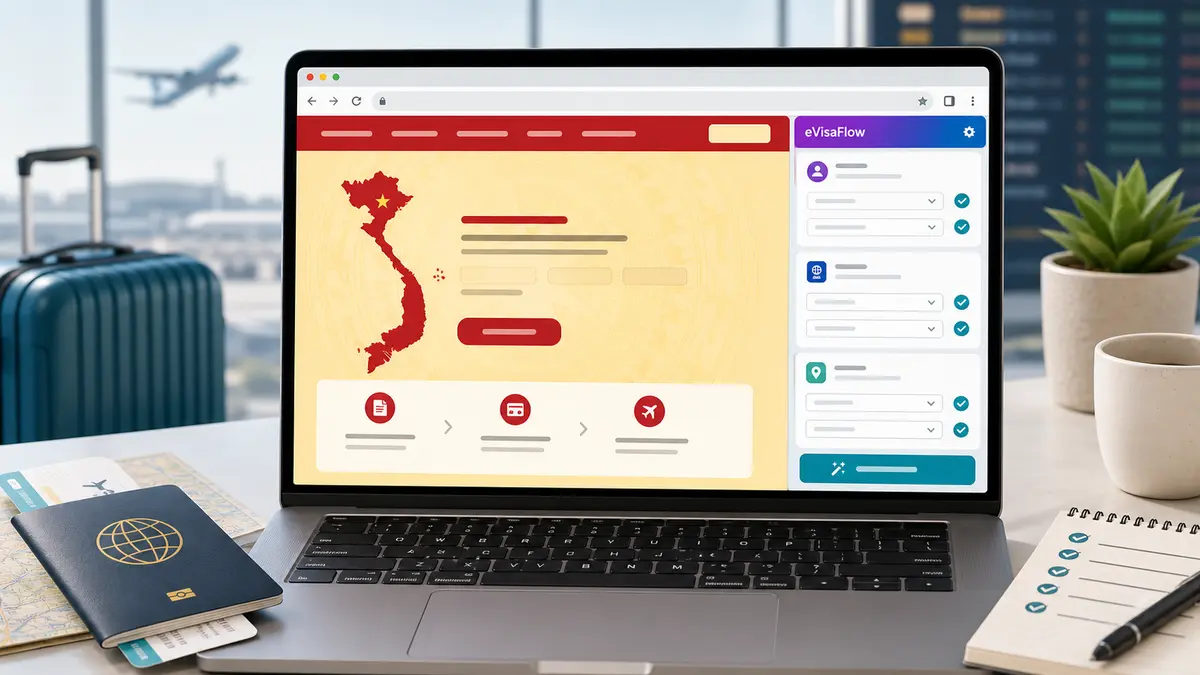
To reduce manual entry mistakes, the eVisaFlow Chrome extension can help enter your saved passport information on the official Vietnam eVisa form. The entry port still needs your own attention: choose the airport, land border, or seaport that matches your real itinerary.


Official References & Verification Sources

Use these official sources to verify the current eVisa portal, fees, and border-gate options before applying:

Related Reading

Disclaimer: The information in this article is compiled by evisaflow.com from official publications and open internet sources for informational purposes only, and does not constitute formal travel advice. Travel information (including but not limited to visa regulations, entry policies, fees, and attraction schedules) is subject to change without notice. Please verify all details independently with the relevant official authorities before traveling. evisaflow.com assumes no liability for travel disruptions or losses resulting from reliance on this content.

We use cookies

We use cookies for sign-in, preferences, and basic site analytics. By clicking "Accept", you consent to our use of cookies. Learn more