Malaysia is easy to travel without using cash for every purchase, but tourists should not rely on one app. QR payment support depends on your home banking or eWallet app, rail gates may need a physical Touch 'n Go card or ticket option, and small vendors or machines can still require cash.
TL;DR: DuitNow QR is Malaysia's national QR payment standard. PayNet says international travelers can use supported foreign banking or eWallet apps to scan and pay across Malaysia, but support depends on your app, account region, and the merchant QR. Touch 'n Go eWallet is available only for selected countries and regions, with WhatsApp OTP and foreigner verification. For Rapid KL rail and bus travel, plan around a physical Touch 'n Go card, cash/token options, or the official fare rules instead of assuming every gate accepts mobile QR. Keep small MYR notes as a backup.
I. Payment Options in Malaysia
| Payment Method | Where It Is Used | Tourist Suitability & Advice |
|---|---|---|
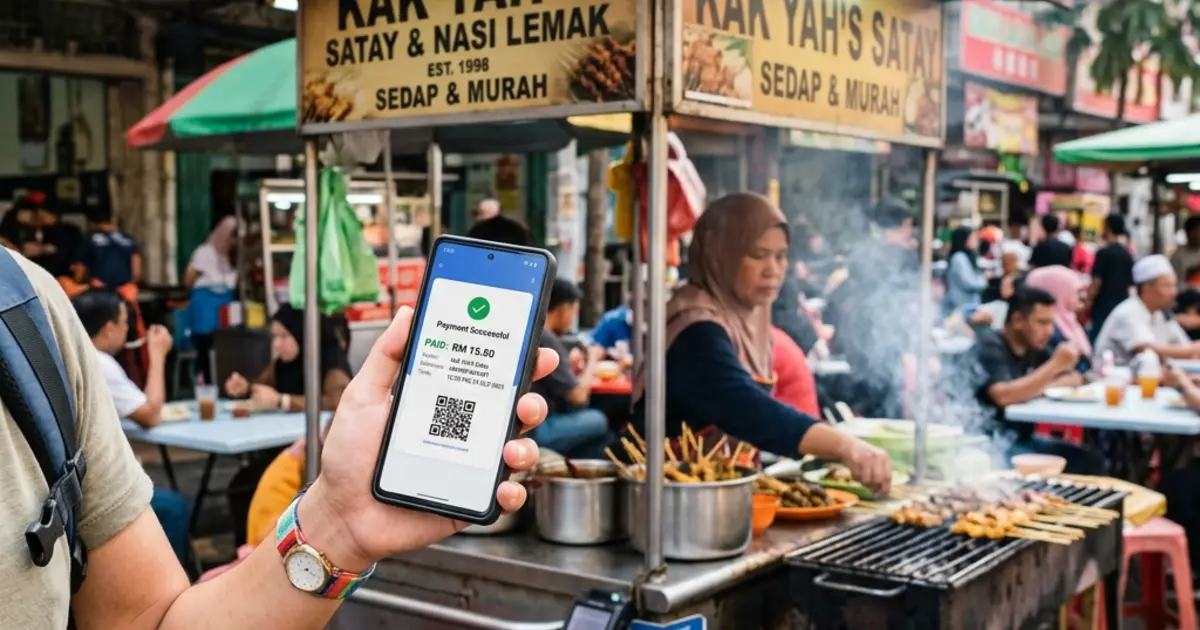
| DuitNow QR | Shops, cafes, food stalls, taxis, markets | Useful only if your banking or eWallet app is supported for Malaysia. Check PayNet's partner list or your home app before relying on it. |
| Touch 'n Go eWallet | DuitNow QR merchants, app payments, linked enhanced card reloads | TNG says selected countries and regions can register. Expect WhatsApp OTP, non-Malaysian verification, and international card top-up options. |
| Physical Touch 'n Go Card | Rapid KL rail and bus, tolls, parking, some retail | Important for many stored-value transport and toll use cases. Touch 'n Go lists a RM10 card with zero balance; Rapid KL/MyRapid products can have different bundled values. |
| Credit Cards / Mobile Wallets | Malls, hotels, restaurants, chains, ride-hailing apps | Helpful in larger merchants and apps, but not a replacement for QR, transit card, or cash backup. |
| Cash | Small stalls, ticket machines, local buses, outages | Carry small MYR notes for first-day transport, food, and payment-system fallback. |
II. Essential Payment Tips for Tourists
1. Use DuitNow QR only through a supported app
DuitNow QR is the Malaysian national QR standard. You will see it at counters, cafes, market stalls, and taxis, but a foreign app can pay only when the cross-border connection is supported.
- Check your app before the trip: PayNet publishes cross-border QR partners and countries. Alipay, UnionPay, and several regional apps appear in PayNet's Malaysia inbound partner list, but not every bank account, app region, or merchant setup will work.
- Test with a low-value payment first: If your app opens the payment screen and shows the MYR amount, confirm the exchange rate and fee inside the app before paying.
2. Set up Touch 'n Go eWallet only if your country or region is eligible
Touch 'n Go eWallet can be useful in Malaysia, but tourist access is not universal.
- Registration requirements: Touch 'n Go says international tourists from selected countries and regions can register with a WhatsApp OTP and complete non-Malaysian verification.
- Top-up options: Touch 'n Go says eligible users can add money with international credit, debit, or prepaid cards. Confirm card acceptance inside the app before treating it as your main payment method.
- Other wallets: Some ride-hailing, delivery, or regional wallet apps may work for specific use cases. Verify inside the app instead of assuming every local wallet accepts foreign cards.
3. Plan public transport around official card or ticket options
Do not assume a phone QR code will open every rail gate.
- Rapid KL fares differ by payment type: MyRapid publishes fare options for cash/token, cashless Touch 'n Go, and concessions. Check the route and fare table before travel.
- Physical card cost and balance: Touch 'n Go lists the card price as RM10 with zero balance. Some MyRapid/Rapid KL card products or service counters may sell cards with a different stored-value bundle.
- Fallback if you do not have a card: Use the station's official cash/token option where available, then buy or reload a card at an official counter or supported retail channel.
4. Keep small cash for the parts that still need it
Cash is no longer the default for many urban purchases, but it still solves practical travel problems.
- Ticket machines and small vendors: Carry small notes for machines, night-market stalls, local coffee shops, and roadside food.
- Local buses and outages: Some local services may still need cash or exact fare, and QR or eWallet payments can fail during poor signal or app maintenance.
- First-day buffer: Keep enough MYR for airport-to-city transport, food, and one backup ride before your cards and apps are proven to work.