Guide 4 min read

How to Pay in Indonesia: QRIS, DANA, Cards, and Cash

Learn when QRIS cross-border payments work, how DANA can help, and why travelers still need cash and a card backup.
When traveling through Indonesia—whether relaxing on the beaches of Bali or navigating the streets of Jakarta—handling money smoothly is essential. Over the past few years, Indonesia's digital payment ecosystem has evolved rapidly. Today, you can complete most of your daily transactions cashlessly.

TL;DR: The dominant payment method in Indonesia is QRIS, the national QR code payment standard used by many merchants. Cross-border QRIS works for travelers from selected partner markets, but supported apps vary by country and rollout stage. Keep DANA, a Visa or Mastercard, and small Indonesian Rupiah (IDR) notes as backups.


Direct Answer: Indonesia Payment Methods for Travelers

Payment Method Traveler Suitability Where it Works Practical Tip
QRIS Cross-Border Excellent if your home app is supported Many QRIS merchants Scan with a participating home banking or e-wallet app; confirm support before relying on it.
Local E-Wallets (DANA/GoPay) Useful backup Many QRIS merchants DANA supports foreign-number registration and international card linking in supported cases.
Cash (Indonesian Rupiah - IDR) Essential (All tourists) Remote islands, tips, small parking fees Keep small bills (10k, 20k IDR) ready.
Credit/Debit Cards Good (All tourists) Hotels, upscale dining, major malls Beware of 2%–3% credit card surcharges at smaller shops.

1. The Universal QRIS System

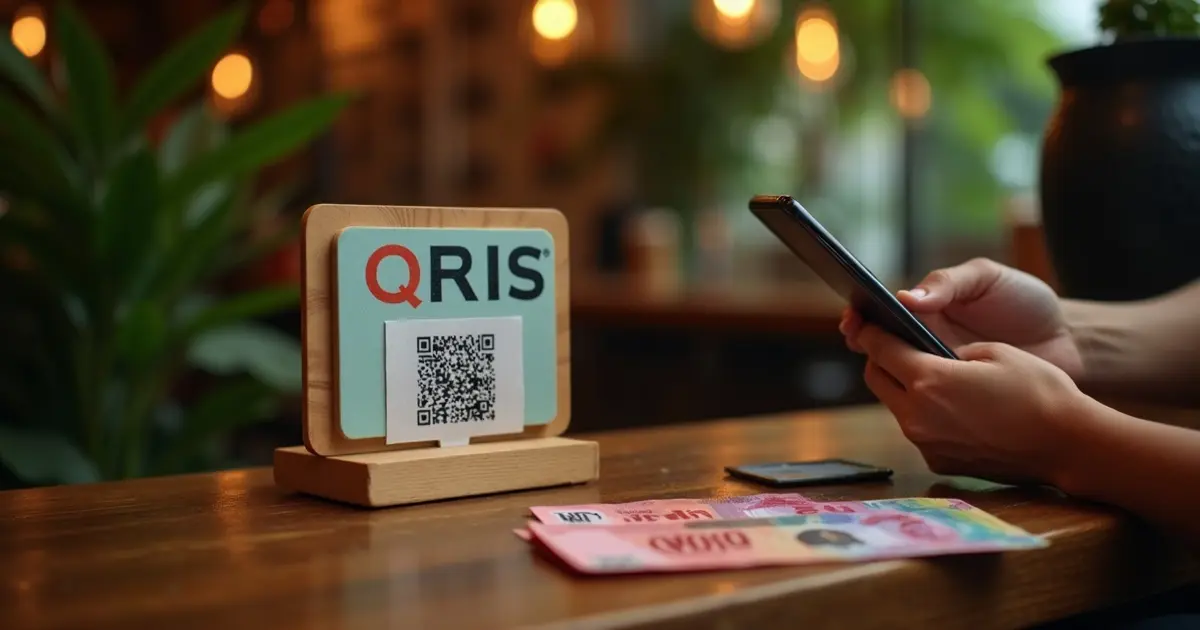
QRIS (Quick Response Code Indonesian Standard) is Indonesia's national standard for QR code payments. You will find QRIS code cards at many businesses, from malls and cafes to local food stalls (warungs).

Cross-Border Connectivity

As of mid-2026, QRIS Cross-Border is available or being rolled out with several partner markets. The practical rule is simple: your own payment app must support Indonesia QRIS, and the merchant's QRIS provider must be ready for cross-border acceptance.

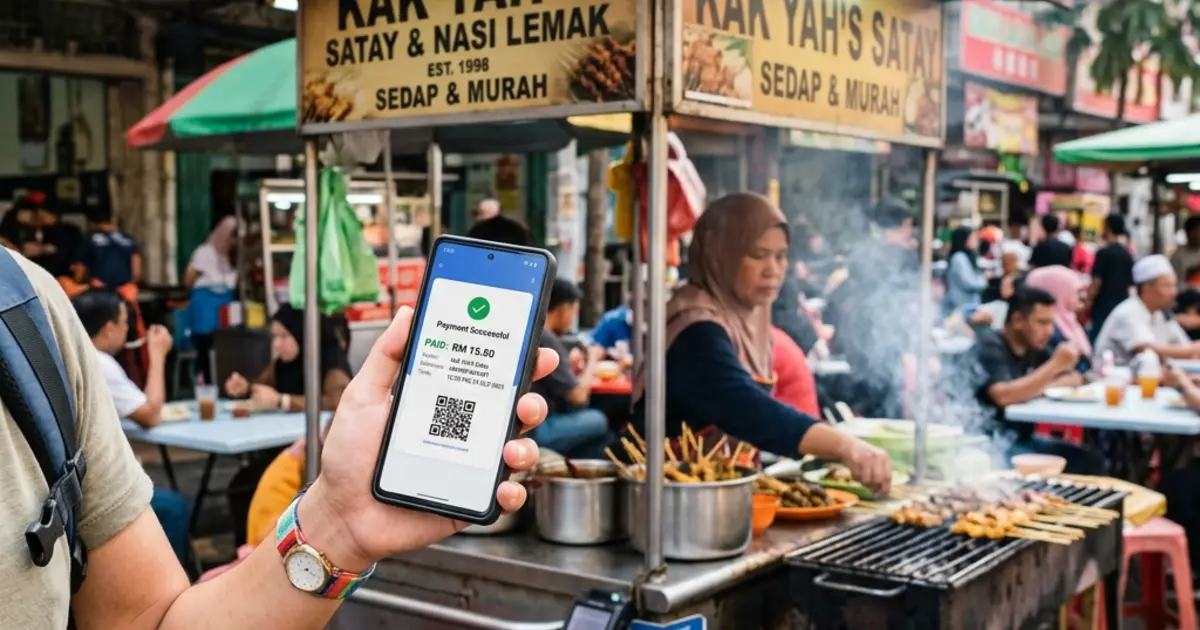
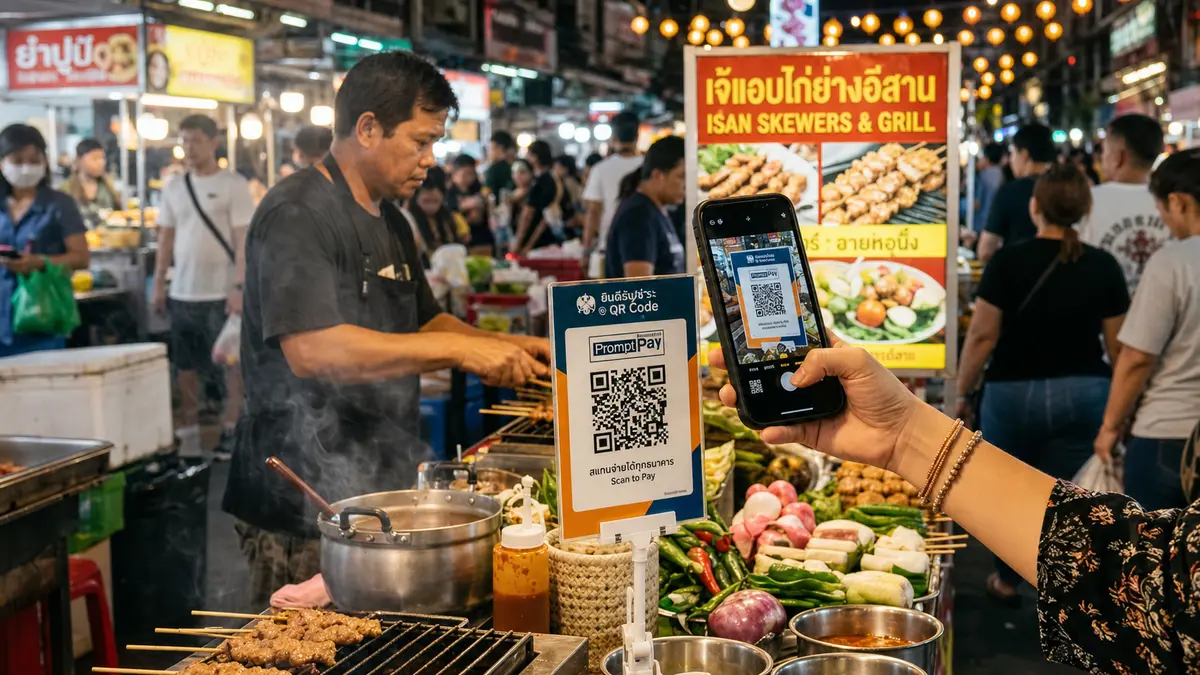
  • Thailand, Malaysia, and Singapore: These are the most established corridors. Look for support through participating apps connected to PromptPay, DuitNow, or NETS.
  • China: Indonesia and China have launched QRIS cross-border connectivity, but app support is being rolled out in stages. Do not assume every Chinese wallet works at every QRIS merchant.
  • Japan and South Korea: These corridors are active or expanding, but supported apps and transaction direction can vary. Check your app before travel.

The transaction is converted automatically between IDR and your home currency. This avoids handling cash for that purchase, but the final rate and any provider fee depend on the payment app and card or wallet behind it.

Workaround for Other Nationalities

If your home country or payment app is not linked to QRIS, consider DANA, a popular local e-wallet. DANA documents support for foreign phone-number registration and international card linking, but availability can depend on your country, card issuer, device, and app verification state. Set it up before you are standing at a cashier.


2. Credit Cards and Surcharges

Major credit cards (especially Visa and Mastercard) are widely accepted in tourist hubs, large supermarkets, international hotels, and mid-to-high-end restaurants.

However, smaller cafes, boutique shops, and dive operators in places like Bali often charge an extra 2% to 3% transaction fee for card payments. To avoid this surcharge, ask if they accept QRIS payments or pay with local cash.


3. When is Cash Still King?

While cities and resort towns are mostly cashless, physical Indonesian Rupiah (IDR) cash remains essential in several scenarios:

  • Visiting Small Islands: Remote destinations like Nusa Penida, the Gili Islands, or parts of Lombok have limited digital payment networks.
  • Minor Fees: Small-scale payments, such as parking fees (usually 2,000–5,000 IDR), temple entrance fees, and tips for local guides.
  • Emergency Backup: Small local warungs in remote rural areas may occasionally experience internet outages, disabling their QRIS scanners.

4. Money Scams: Protect Your Funds in Indonesia

Tourist areas in Indonesia, particularly Bali, present specific risks for travelers handling money. Take these precautions to protect your funds:

ATM Skimming Warning ATM skimming is highly prevalent in Bali. Criminals install hidden cameras and card readers on street-side ATMs to steal your card data and PIN.

  • Safe ATMs: Only use ATMs located inside official bank branches with active security guards.
  • Unsafe ATMs: Avoid standalone, dark, or poorly lit ATMs on streets, inside convenience stores, or near beach clubs.

Currency Exchange Scams

Avoid unauthorized exchange booths that advertise unrealistically high rates. These booths may use manual counting tricks or hidden fees. Use authorized money changers or banks, and recount the cash yourself before leaving the counter.


References

Related Reading

Disclaimer: The information in this article is compiled by evisaflow.com from official publications and open internet sources for informational purposes only, and does not constitute formal travel advice. Travel information (including but not limited to visa regulations, entry policies, fees, and attraction schedules) is subject to change without notice. Please verify all details independently with the relevant official authorities before traveling. evisaflow.com assumes no liability for travel disruptions or losses resulting from reliance on this content.

We use cookies

We use cookies for sign-in, preferences, and basic site analytics. By clicking "Accept", you consent to our use of cookies. Learn more