Indonesia Passport Damage Rules: What to Check Before a Bali Flight
Check your passport for tears, water damage, and photo-page legibility before a Bali flight, know what airlines look for, and what to do if you find damage.
Indonesia requires a valid travel document for entry, and the same national rule applies whether you land at Bali's Ngurah Rai airport or at any other Indonesian entry point. Government travel advice warns that travelers have been refused entry with damaged passports, and that damage considered minor elsewhere may still cause a problem. No official source publishes a millimeter threshold or a rejection rate, so judge the passport by its visible condition and settle any doubt before departure.
TL;DR: Check every page, the photo page, machine-readable zone (MRZ), cover, binding, and signs of water damage before departure. If anything is torn, altered, detached, illegible, or water-damaged, ask your passport authority and airline to assess it. Replace the passport when advised. A visa or e-VOA does not make a damaged travel document acceptable.
Damage Specifically Identified in Government Advice
The Australian Government's Indonesia travel advice says Indonesian authorities apply strict standards and that normal wear, water damage, and minor tears or rips may be treated as damage. Its checklist tells travelers to make sure:
passport pages have no tears, folds, or cuts, including the photo page;
the photo page is clear and fully legible;
there are no marks across the photograph or the MRZ;
no pages have been removed;
there is no alteration or tampering; and
the cover and pages show no water damage.
These are practical warning signs, not a guaranteed pass/fail formula. A passport authority, carrier, and border officer may each need to assess the physical document, and a passport that passes one check can still be questioned at the next.
Why the Airline May Check Before Boarding
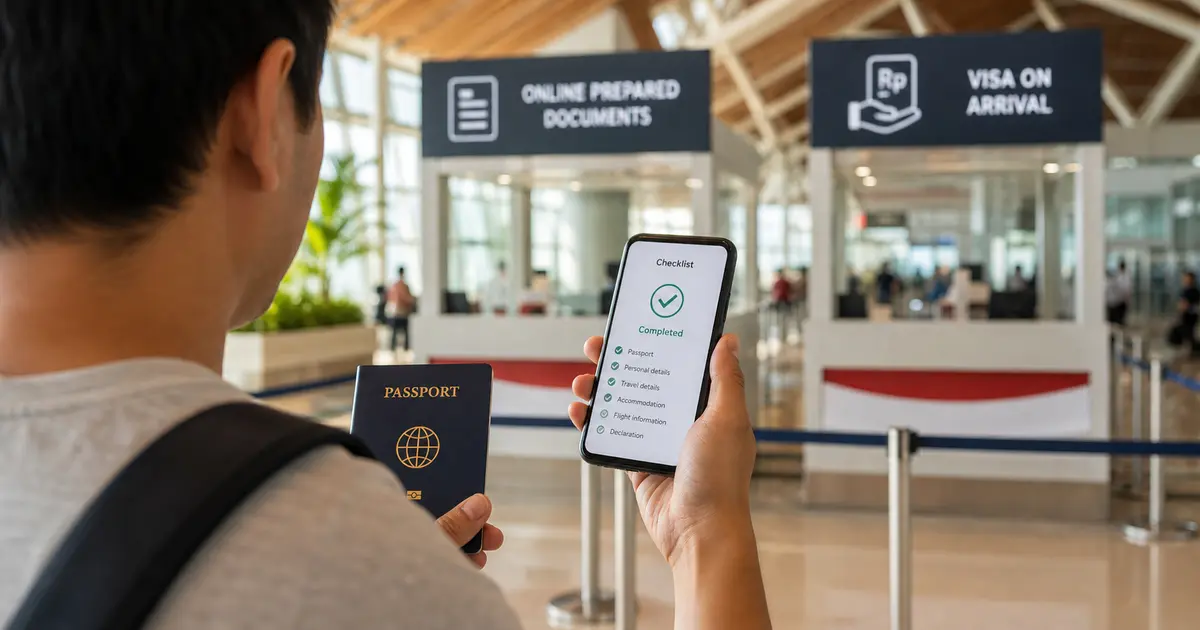
Airlines check travel documents before carrying passengers internationally. The UK government's Indonesia entry guidance tells travelers to check with their travel provider that their passport and other documents meet the requirements and to renew the passport if necessary.
If the check-in agent questions the passport, show any assessment or replacement documentation provided by your passport authority. Do not rely on a visa approval alone: the passport used for travel must still be valid and acceptable.
What to Do if You Find Damage
Photograph the condition for your own discussion with the passport authority, but expect the physical document to be inspected.
Contact the passport-issuing authority and ask whether urgent replacement is required.
Contact the operating airline, especially if departure is close.
If replacement is not possible, ask an Indonesian embassy or consulate what visa and entry rules apply to the exact emergency or temporary travel document. Do not assume it qualifies for visa exemption, VOA, or e-VOA.
If a new passport is issued, make sure every visa or e-VOA record uses the new passport details. Ask Indonesia Immigration whether a new application is required rather than editing an approved document yourself.
Final Check Beyond Physical Damage
The government checklist above covers the physical condition of the passport. Before you leave, also confirm:
there are no unofficial souvenir stamps, handwriting, or other additions on any page;
the passport's validity and blank pages meet the current official entry rules;
your visa or e-VOA record shows the details of the passport you will actually carry.
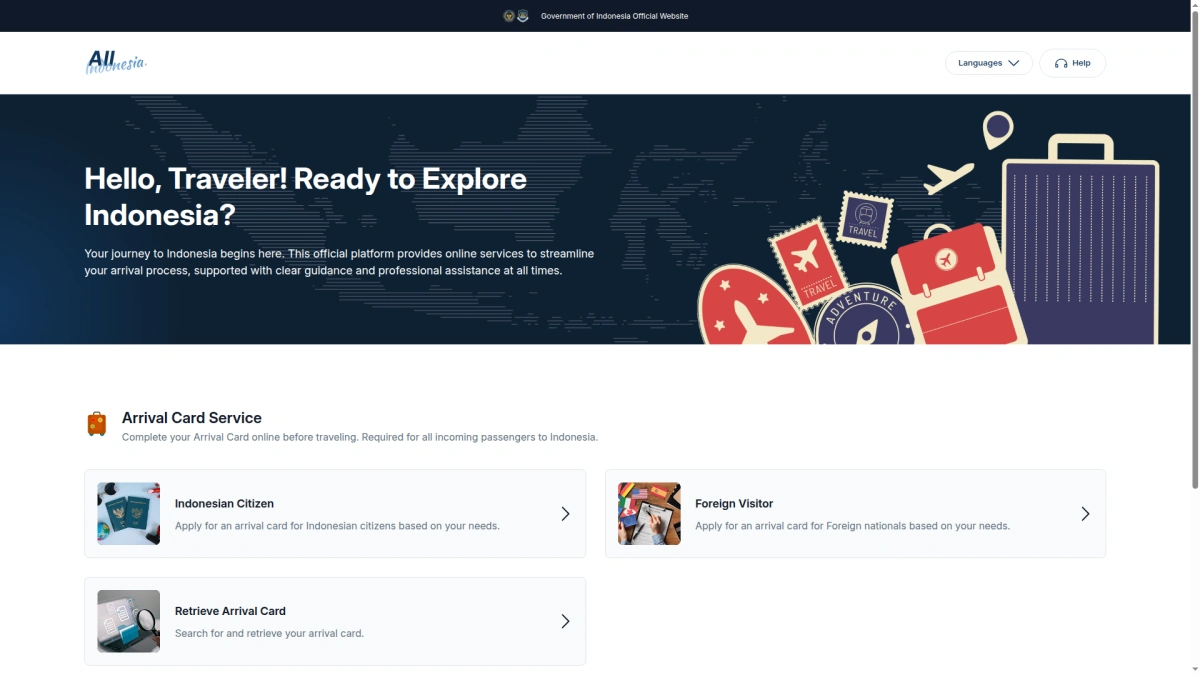
After a replacement, eVisaFlow Southeast Asia can fill saved passport, trip, stay, and contact details after you open the official Indonesia eVisa website and run the extension. Update the saved passport record first, then review every field on the official site before payment and submission.
Disclaimer:
The information in this article is compiled by evisaflow.com from official publications and open internet sources for informational purposes only, and does not constitute formal travel advice. Travel information (including but not limited to visa regulations, entry policies, fees, and attraction schedules) is subject to change without notice. Please verify all details independently with the relevant official authorities before traveling. evisaflow.com assumes no liability for travel disruptions or losses resulting from reliance on this content.