Guide 5 min read

Thailand Entry Port Guide: Airports, Land Borders, and e-Gate Tips

Choose the right Thailand airport or land border based on your itinerary, e-gate eligibility, and onward travel plans.

If you are planning a trip to Thailand, choosing the right entry port is just as important as sorting out your visa. Different airports and land checkpoints offer vastly different experiences regarding queuing times, transport connections, and automated clearance facilities. Selecting a remote or poorly connected port can lead to long delays, transport shortages, or extra checks if your documents do not match your route.

TL;DR: For international visitors, flying is highly recommended. Suvarnabhumi Airport (BKK) is the premier gateway with the most flight options and expanded e-Gate automated lanes. Don Mueang Airport (DMK) is ideal for budget travelers. Chiang Mai Airport (CNX) is the smoothest route for northern Thailand. If crossing by land, use Sadao (from Malaysia) or Nong Khai (from Laos).

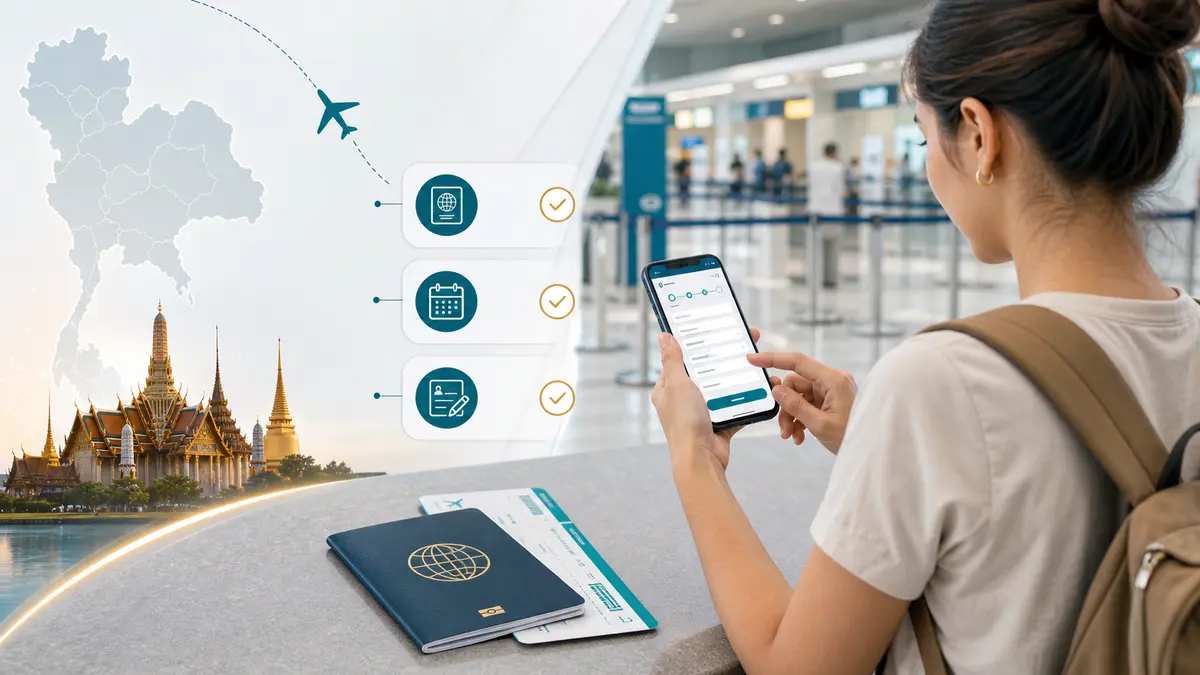
Before departure, travelers should complete the Thailand Digital Arrival Card (TDAC) within the official submission window before arrival.


Direct Answer: Best Entry Ports for Thailand

Entry Port Main Type e-Gate Support? Best For Checkpoint Tip
Suvarnabhumi Airport (BKK) Airport Yes (Eligible e-Passports) General flights, global transit Peak hours (16:00-22:00) have long queues.
Don Mueang Airport (DMK) Airport Yes (Eligible e-Passports) Budget airlines, regional flights Smaller airport, simpler terminal layout.
Chiang Mai Airport (CNX) Airport Follow current airport signage Northern Thailand (Chiang Mai, Pai) Usually simpler than Bangkok hubs.
Phuket Airport (HKT) Airport Yes (Eligible e-Passports) Direct resort travel, southern islands Extremely busy in peak season (Nov-Apr).
Sadao Crossing Land Border Manual processing Overland from Malaysia (Hat Yai) Verify current land-entry limits before travel.
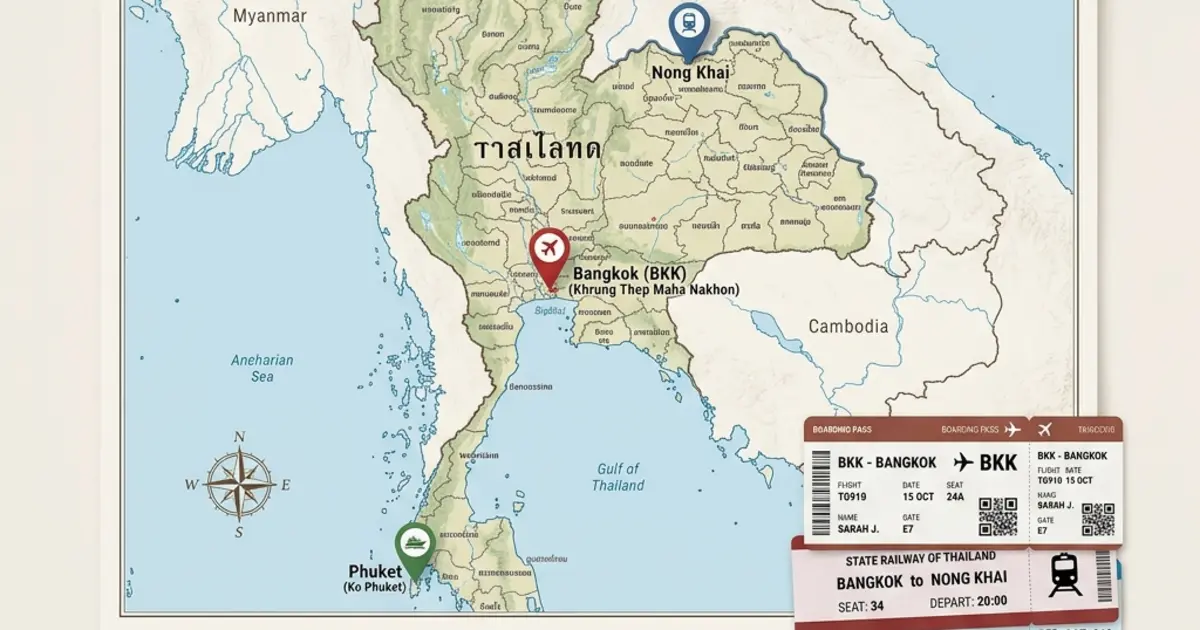
Nong Khai Crossing Land Border Manual processing Overland from Laos (Vientiane) First Friendship Bridge, links to railway routes.

1. Major International Airports: Clear in Comfort

Most international travelers fly into Thailand. Major airports have introduced automated border control lanes (e-Gates) to process foreign arrivals. Here is how they compare:

Suvarnabhumi Airport (BKK - Bangkok)

As Thailand's primary international hub, Suvarnabhumi handles the largest volume of flights. It offers direct links to Bangkok's city center via the Airport Rail Link.

To manage high traffic, BKK has automated clearance channels for eligible travelers. Eligibility and operating lanes can change by passport type, passenger profile, and airport instructions, so follow current immigration signage on arrival.

Don Mueang Airport (DMK - Bangkok)

DMK serves as the main hub for budget airlines like AirAsia and Scoot. While the terminals are older, the overall layout is simpler and easier to navigate than BKK. It connects to the city via the Red Line SRT railway.

Chiang Mai Airport (CNX - Northern Thailand)

CNX is the premier gateway to northern Thailand. It is a highly efficient airport. Immigration lines are usually short, and you can reach Chiang Mai Old City in about 15 minutes by taxi.

Phuket Airport (HKT - Southern Beaches)

For direct beach holidays, Phuket Airport is the go-to port. However, HKT suffers from extreme peak-season congestion from November to April. Prepare for longer queues if you arrive during these months.


2. Land Border Checkpoints: Key Connections & Regulations

If you are traveling overland from neighboring countries, choose your border post carefully to ensure reliable transport links:

  • From Malaysia (Sadao Checkpoint): This connects Bukit Kayu Hitam in Malaysia to Hat Yai. It is a busy, well-structured highway crossing with frequent buses.
  • From Laos (Nong Khai Checkpoint): Located at the First Thai-Lao Friendship Bridge, it links Vientiane with Nong Khai. It is the preferred crossing for travelers utilizing the China-Laos Railway.
  • From Cambodia (Aranyaprathet Checkpoint): This connects Poipet to Aranyaprathet. It is the historic overland route to Siem Reap, but it has a reputation for checkpoint scams.

Land Border Visa Exemption Cap Thailand has used annual limits for some visa-exempt land-border entries. Verify the current rule before planning repeated land crossings. If you travel frequently between neighboring countries, verify whether an air entry or an appropriate visa is required for your pattern of travel.


3. Checkpoint Scams: Avoid Overcharging and Fake Services

Land borders and minor ports are occasionally target areas for local scammers. Protect your wallet by keeping these tips in mind:

  • Official VOA Fee: If you require a Visa on Arrival (VOA), verify the current official fee and payment method before travel. Avoid unofficial agents who charge extra for express service or VIP lines.
  • Free Online Declarations: The Thailand Digital Arrival Card (TDAC) official portal should be used directly. Never use third-party websites that charge processing fees for submitting your TDAC. Always use the official government portal.
  • Official E-Visa Website: Only apply for e-Visas at the official government website thaievisa.go.th. High-ranking search results on Google often lead to copycat agency sites charging double the official fees.

For the TDAC step, the eVisaFlow Chrome extension can help enter saved passport, trip, and contact information on the official TDAC portal. It does not choose your border route, so confirm the entry point and transport plan yourself.

4. Basic Pre-Travel Checklist

Ensure you have these three items ready before heading to your departure gate:

  1. Passport Validity: Your passport must be valid for at least 6 months (180 days) from your entry date.
  2. TDAC Registration: Complete your TDAC registration online and save your QR code.
  3. Onward Travel Proof: A confirmed return flight or onward ticket to another country. Immigration officers frequently check this, particularly for visa-exempt entries.

References

Related Reading

Disclaimer: The information in this article is compiled by evisaflow.com from official publications and open internet sources for informational purposes only, and does not constitute formal travel advice. Travel information (including but not limited to visa regulations, entry policies, fees, and attraction schedules) is subject to change without notice. Please verify all details independently with the relevant official authorities before traveling. evisaflow.com assumes no liability for travel disruptions or losses resulting from reliance on this content.

We use cookies

We use cookies for sign-in, preferences, and basic site analytics. By clicking "Accept", you consent to our use of cookies. Learn more